
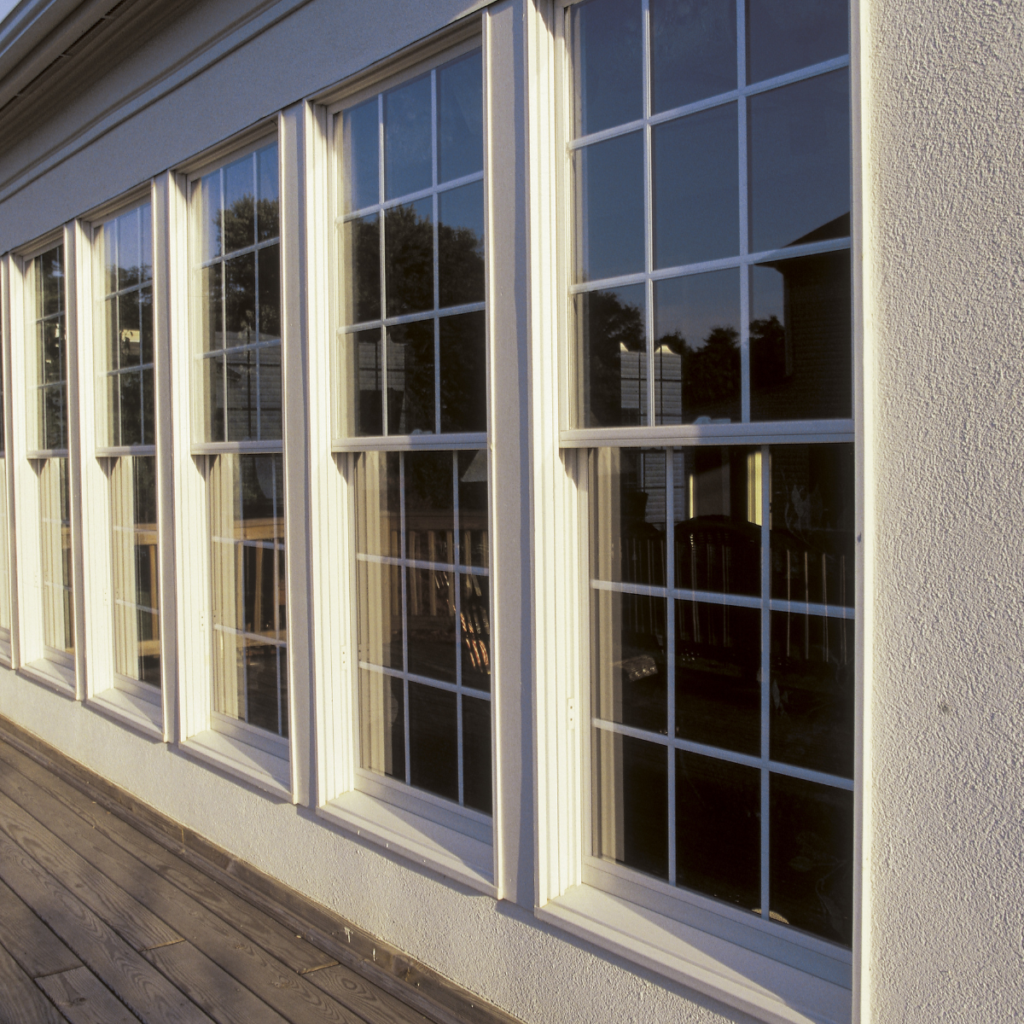
While high-quality residential glass in Houston can lend wonderful natural light throughout your home, the same sunlight that offers comforting light can pose a silent, destructive threat to many cherished aspects of your home – from the expensive furniture to your pristine wood floor. If you’ve invested in your home’s inside decorations but are worried about the sun actively damaging these aesthetic items, then finding a solution must be a priority. Because of that, choosing Low-Emissivity residential glass from a trusted glass company like Action Glass in Houston is the best way to preserve your home and protect your investment. Use this blog as your guide to eliminating the threat of UV fading in your home and how Low-E glass can help protect your home’s market value.
Identifying the Triple Threat of Residential Glass Fading
All Houston homeowners have heard the excuse that “sunlight is fading your furniture or certain spots on your wood floors, but the truth is that this fading process is actually a highly specific and precise chemical process. A process that is completely carried by three specific aspects of the UV light spectrum, not only destroying the dyes and materials of furniture, but also impacting the quality and strength of your floors.
The primary fuel for this process is Ultraviolet radiation (UV Light). These are direct rays from the sun that are strong enough to break down the chemical bond within dye, wood, and polymer that gives each material its coloring. This category of light makes up for 40% of fading through residential glass windows.
While UV light is the most harmful type of light, even regular, visible light can contribute to 25% of fading, especially bleaching and changing materials’ colors from their original. Oftentimes, this can be the most sneaky aggravator, as the allure of investing in residential glass windows is mainly the natural, visible light it lets in.
Lastly, the final type of light that can damage your home’s furniture or flooring is solar heat or infrared radiation. This type of light makes up another 25% of fading due to the high heat increasing the chemical reactions caused by UV and visible light. The primary items that will be affected by these lights throughout their lifetime, without the implementation of Low-E glass, include:
- Flooring: Such as hardwood, luxury vinyl, and high-end carpet or rugs
- Furniture: Especially leather, fine fabrics, or finished wood surfaces.
Why “Band-Aid” Methods Like Curtains and Films Fall Short
Many Houston homeowners opt for quick, affordable solutions to protect their furniture and flooring from harmful light. However, these solutions, such as films or blinds, don’t typically offer complete protection. For example, while a curtain or a blind might block visible light sources and some infrared heat from breaching your home, UV light can still easily penetrate the fabric or blinds and create damage. Window films are also a popular way to try to block light from damaging flooring and furniture. However, these typically bubble, scratch, and degrade extremely quickly – requiring constant window replacement and installation.
Low-E Residential Glass: The Invisible Shield Technology
What is Low-E glass? What makes this glass a highly reliable solution is actually relatively simple. Manufacturers create it by applying a microscopic, fully transparent coating to the glass surface. Metallic oxide forms this permanent, molecular-level coating, creating a protective force field against UV, visible, and infrared light. The coating reflects 90% of specific wavelengths, including UVA, UVB, and UVC. However, what makes it special is that it only reflects the damaged light, while still allowing visible light to pass through.
Of this coating, there are two specific types available. Manufacturers apply the first type—a “hard” or Pyrolytic coat—during production, though this older technology now trails behind the more popular “soft coat” alternative. Technicians apply this “sputtered” coating inside a vacuum chamber; however, the coating requires protection within an insulated glass unit to maintain its performance for years.
Added Benefits Of Low-E: Residential Heat Management
Additionally, Low-E glass can help manage the temperature of your home on the inside as well. This coating works year-round; it traps heat inside during rainy Houston cold fronts and—more importantly—blocks sweltering air during the hot, humid summer months. This not only makes for a significantly more comfortable environment, but also noticeable energy savings each month.
Choosing the Right Low-E Glass for Your Home
Low-E residential glass is incredibly effective, but it encapsulates many unique products. While this helps many Houston homeowners find a perfect solution for their exact needs, it makes working with a trusted, expert team of glass technicians not just important, but a complete necessity to achieve ideal results. The two different categories of Low-E coatings that are most popular include:
- Passive Low-E
- Solar Control Low-E
The two coats differ primarily because engineers design them for specific climates. For example, Passive law is designed not only to draw infrared heat into the home, but also to trap the warm indoor air and prevent it from leaving, allowing the house to cool down. Because of this design, it is more often used in cooler climates where the brunt of an energy bill is spent heating a home, making Low-E an effective solution for cutting down on expenses.
On the other hand, solar control Low-E is the best solution for homes in a warmer climate. This is because it is designed primarily to block solar UV from entering the home, while allowing visible light to pass through. This works to keep the home cool, even during the hottest months of the year. Working with a professional glass company like Action Glass in Houston is mandatory for solar control Low-E, as installation must be incredibly precise to yield the most noticeable results.
Enhancing Your Home’s Value With Low-E Residential Glass
Low-E glass not only can help slash energy bills and contribute significantly to a more comfortable, enjoyable living environment, but it can also improve your home’s marketability and market performance. This is because Low-E glass is a modern improvement that may make your home more attractive to potential buyers for a slew of reasons, including:
- Preserving the color integrity of your wood, fabrics, artwork, and personal photos
- Reducing the cooling load
- Improving home comfort
Suppose you are thinking about selling your Houston home in the future. In that case, investing in Low-E coatings for your residential glass is a great way to make your remaining time in the home more enjoyable and receive a better offer.
Investing in Comfort With Low-E Residential Glass
Now that you understand the immense value that Low-E glass can offer your home, making the switch is just a call away. At Action Glass in Houston, we know that maintaining residential glass can be expensive, so we always aim to offer tailored solutions that are effective, affordable, and long-lasting. Contact us today for a free estimate on Low-E residential glass for your Houston home.