
Quick Answer: Fog or condensation between the panes of a double-pane window is not a cleaning problem — it’s a seal failure. When the hermetic seal on an insulated glass unit fails, the argon gas escapes and humid air enters the cavity, causing the fogging you see. The only fix is replacement of the glass unit. In Houston’s climate, seal failure is more common than in drier regions because of the sustained humidity load on window seals year-round.
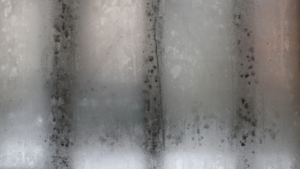 Why Foggy Windows Are a Bigger Problem in Houston Than Most Cities
Houston’s average relative humidity sits above 75% for most of the year — and regularly hits 90% or higher during summer mornings. That sustained moisture load is exceptionally hard on window seals. The expansion and contraction cycles from hot days and cool nights create mechanical stress on the seal perimeter, and high humidity accelerates the degradation of the desiccant inside the IGU cavity that absorbs moisture before it reaches visible levels.
The result: Houston homeowners deal with foggy windows far more frequently than counterparts in drier climates. A window that might last 25 years in Phoenix can show seal failure in 12–15 years in Houston. Understanding why this happens — and what to do about it — prevents a manageable replacement from turning into a much larger home repair problem.
What’s Actually Causing the Fogging in Your Window
How Double-Pane Windows Are Supposed to Work
An insulated glass unit consists of two glass panes sealed at the perimeter with a metal or polymer spacer bar. The cavity between the panes is filled with argon or krypton gas and contains a desiccant material that absorbs any residual moisture at the time of manufacture. The entire assembly is hermetically sealed to keep outside air — and its moisture — out of the cavity permanently.
When that seal is intact, the cavity stays clear and dry. The insulating gas provides the thermal performance the IGU is rated for. You see through the window normally, regardless of outdoor humidity or temperature.
What Happens When the Seal Fails
Seals degrade over time from UV exposure, thermal cycling, and the mechanical movement of the window frame as it expands and contracts seasonally. When a seal fails, outside air infiltrates the cavity. Houston’s air carries significant moisture. The desiccant inside the IGU quickly becomes saturated — it was sized for manufacturing residuals, not for years of outdoor air — and visible condensation begins forming on the interior glass surfaces inside the cavity.
Initially you may see fogging only in certain temperature conditions — cold mornings, or after rain. As the seal continues to fail, the fogging becomes more persistent and eventually permanent. At that stage, mineral deposits from evaporated water begin to etch the interior glass surfaces, creating a hazy staining that remains even when the panes are dry.
What Foggy Windows Are Actually Costing You
- Lost thermal performance. An IGU with a failed seal has lost its argon fill and is now insulating with air — or partially with the outside environment directly. The U-factor of the unit increases significantly, meaning more heat transfers through the glass. In Houston’s summer, that’s direct additional load on your air conditioning system.
- Escalating interior glass damage. The longer a failed seal sits without replacement, the more mineral etching occurs on the interior pane surfaces. Early-stage fogging replaces cleanly with a new IGU. Late-stage fogging with significant etching may require full window unit replacement rather than glass-only, which costs more.
- Reduced home value and inspection issues. A home inspector will flag multiple foggy windows as deferred maintenance. If you’re selling, foggy windows become a negotiating point — buyers either request repairs or discount their offer. In Houston’s real estate market, well-maintained windows are a visible quality signal.
Common Mistakes Houston Homeowners Make With Foggy Windows
Mistake 1: Trying to Clean Between the Panes
There is no cleaning solution, no drill-a-small-hole technique, and no foggy window repair kit that actually resolves a failed IGU seal. Some products claim to “defog” windows by drilling small holes and injecting cleaning solution — this temporarily clears the fogging in some cases but doesn’t restore the sealed, gas-filled cavity or its thermal performance. The only solution that restores both clarity and insulation is IGU replacement.
Mistake 2: Waiting for “All Windows to Go Bad” Before Acting
Some homeowners decide to wait until all their windows need replacement before addressing any of them. The problem is that early-stage seal failure causes less damage than late-stage failure. Windows addressed early can often be repaired with glass-only IGU replacement. Windows allowed to deteriorate into heavy mineral staining may require full frame and glass replacement — a significantly more expensive job. Address foggy windows individually as they fail rather than letting them deteriorate while waiting to do a whole-house project.
Mistake 3: Replacing Only the Glass and Ignoring Frame Condition
Installing a new IGU into a frame with damaged or deteriorated seals at the perimeter may result in a second seal failure faster than expected. The new glass unit is only as good as the frame it’s installed into. If the window frame shows signs of moisture damage, rotted glazing tape, or physical damage at the corners, address the frame as part of the replacement — not as a separate future project.
Mistake 4: Confusing Interior Condensation With Seal Failure
Condensation on the interior surface of a window — the room-facing pane — is a different phenomenon from fogging between the panes. Interior surface condensation is caused by humidity in your home’s air contacting a cool glass surface, and is more common in winter in Houston when the HVAC system reduces indoor humidity. It wipes off. Fogging between the panes does not wipe off and is only visible between the glass layers, not on the surface. Confirming which you’re dealing with before calling a glass company saves time and money.
IGU Replacement vs. Full Window Unit Replacement
| Factor | IGU Replacement (Glass Only) | Full Window Unit Replacement |
|---|---|---|
| Cost range | $200–$500 per window | $400–$1,200+ per window installed |
| Frame condition required | Sound, square, undamaged | Any — frame is replaced entirely |
| Interior glass etching | Must be minimal for glass-only to work | Full replacement resolves regardless |
| Time to complete | 1–2 hours per window | 2–4 hours per window |
| Disruption to interior | Minimal | More — trim removal and reinstallation |
| Best for | Early-stage seal failure, sound frames | Frame damage, old aluminum frames, advanced glass etching |
Recommendation: Get an on-site assessment from a qualified glass technician before committing to either option. The frame condition, the degree of glass etching, and the window age all affect which solution is more cost-effective for your situation. Most early-stage foggy windows in otherwise sound frames are resolved cleanly with IGU replacement at significantly lower cost than full unit replacement.
Why Houston Homeowners Choose Action Glass Houston for Foggy Window Repairs
Accurate Assessment — Not Automatic Upsell
There’s a financial incentive for contractors to recommend full window unit replacement when IGU replacement would do the job. Action Glass Houston technicians assess each window on its merits — frame condition, glass etching degree, seal failure extent — and recommend the solution that actually fits the situation. If glass-only replacement works for your window, that’s what gets quoted.
Houston Climate Experience
Action Glass Houston has serviced foggy window calls across Houston’s neighborhoods long enough to understand the specific failure patterns that Houston’s humidity, UV exposure, and thermal cycling create. That experience means faster diagnosis and appropriate solution recommendations — not generic advice that doesn’t account for what Houston’s climate actually does to window seals.
Quality IGU Sourcing With Proper Seals for Houston Conditions
Replacement IGUs are sourced from reputable suppliers with seal materials rated for Houston’s humidity and UV exposure. The longevity of a replacement IGU depends substantially on seal quality — a cheap IGU installed in Houston will fail on the same timeline as the original in many cases. The residential glass team at Action Glass Houston sources units built to last in this specific climate.
Coverage Across the Greater Houston Area
From Memorial and Meyerland to Kingwood and Missouri City, Action Glass Houston handles foggy window assessments and replacements across the full Houston metro. Free estimates are available without obligation, and technicians can assess multiple windows on a single visit to give you a full picture of your window’s condition before you commit to any work.
Frequently Asked Questions
Why do my double-pane windows fog up only in certain weather conditions at first?
Early-stage seal failure allows small amounts of moist air into the cavity. Temperature differences between inside and outside create conditions where moisture in the cavity condenses on the cooler glass surface — similar to a cold glass of water on a humid Houston day. As the seal fails further and the desiccant saturates, the fogging becomes more persistent regardless of weather conditions. Intermittent fogging is an early warning sign, not a benign condition that will resolve on its own.
Can foggy windows be repaired, or do they always need replacement?
The IGU — the glass unit itself — cannot be repaired in any way that restores its original performance. Some services offer temporary defogging through drilling and chemical injection, but these don’t restore the sealed gas fill or the thermal rating of the unit. Replacement of the IGU is the only solution that fully restores clarity, insulation, and long-term performance. The frame may or may not need replacement depending on its condition.
How long will a replacement IGU last in Houston’s climate?
Quality IGUs installed with proper seals typically last 15–25 years in Houston’s climate. The primary factors affecting longevity are seal quality, UV exposure (south- and west-facing windows experience more), frame condition (a sound frame supports the seal perimeter), and whether proper Low-E coatings reduce the UV load on the seal material. Inexpensive IGUs or units with inadequate seal materials may fail significantly sooner in Houston’s conditions.
Does homeowner’s insurance cover foggy window replacement?
Almost never. Seal failure is considered normal wear and deterioration, which is excluded under standard homeowner’s insurance policies. Coverage requires a sudden, accidental cause — storm damage, impact, or break-in. If a specific event can be tied to the seal failure, there’s a possible claim conversation to have with your insurer, but routine IGU replacement due to seal aging is an out-of-pocket home maintenance expense.
Don’t Wait for More Windows to Fog Before Calling
Foggy windows get worse, not better, and the longer they’re left, the more expensive the fix becomes. Early-stage seal failure that costs $250 to address today can deteriorate into a frame replacement situation that costs $800 if ignored through two more Houston summers.
Action Glass Houston provides free on-site estimates for foggy window assessment and IGU replacement across the greater Houston area. Call or request an appointment online — a technician will assess your specific windows and give you a clear, honest picture of what each one needs.